
What I Teach Instead of “Eat Less, Move More”
It’s been well established that our overall well-being is intrinsically tied to our nervous system and that how we respond to the stressors in our lives impacts our physical and mental well-being.
Very often, I work with clients who are used to being so focused on eating less, moving more, and doing all the things (and drinking all the coffee to get through and using wine to relax) that their body responds with the opposite of their desired outcome: sluggish metabolism, disrupted sleep, energy crashes, and mood swings or feelings of overwhelm.
As I counsel people on finding a balance between nutrition, exercise, other lifestyle factors and their body’s stress response, some of the things we talk about include:
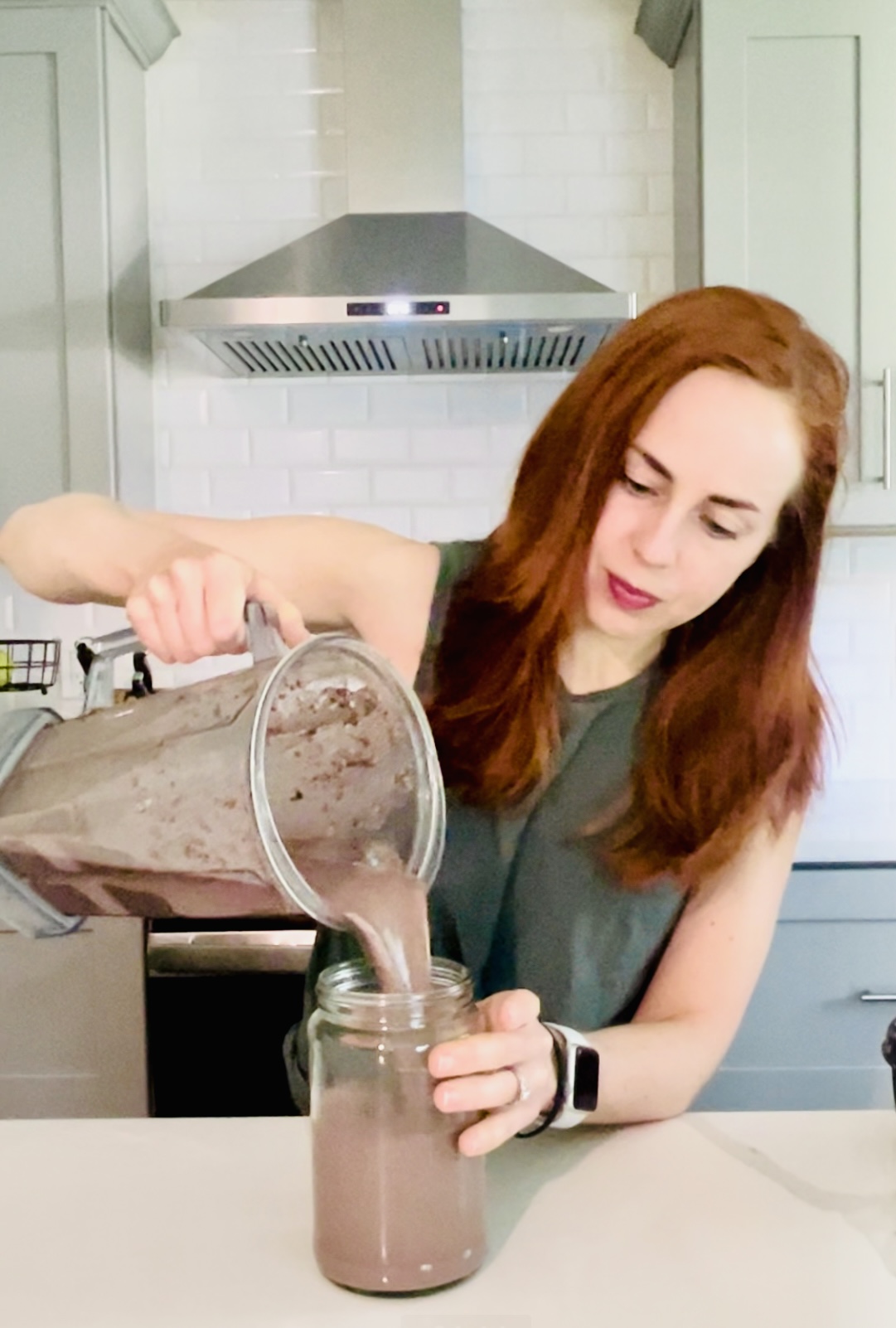
- Eating balanced meals that provide enough calories, protein, fat, and fiber to sustain their desired physical activity and nourish their bodies to help with stress management. Fish, berries, and fermented foods are some of my suggested go-tos for their ability to reduce inflammation, offer the body high amounts of antioxidants and aid in digestion.
- Limiting caffeine and alcohol as this plays a crucial role in helping to maintain both mental and physical well-being. As part of my conversations with patients, I talk about developing healthy rituals to help limit the amount of caffeine and alcohol which can exacerbate stress, making you feel anxious or jittery.
- Moving your body mindfully. One of my suggestions for clients who are new to the exercise world, is to find balance between strength, cardio, and rest days, ensuring that super intense workouts every day aren’t common. For those interested in making exercise a habit without overdoing it, check out this blog post.
- Addressing mental health concerns through resources like therapy, journaling, and making space for joy. The power of gratitude journaling is something I talk about here, while here, I share about finding joy in the small and simple things in life.
- Creating a sustainable sleep routine. Learning to optimize your sleep routine will lead to many health benefits, including decluttering your mind, reducing stress, improving your mood, preventing inflammation and reducing the risk of serious health problems.
- Slowing the f*** down where you can and setting healthy boundaries with your time and energy. Protecting your time and energy is key, especially when you’re feeling stressed and are trying to focus on ensuring that your mental and physical wellness are cared for.
Maybe only one or two of these are things that may be out of balance right now for your, or maybe you’re looking at this list and thinking, “Sh*t—where do I start?” If so, give yourself permission to start small. As I remind myself and my clients, even one tiny change that improves your well-being is meaningful and progress is progress.
I’d love to know: which of these suggestions resonates with you most? I know I’ve been working on that last one and wow, does it make a difference!
For more drama-free healthy living tips, I encourage you to check out my podcast and sign up for my newsletter for more health and wellness content, special deals, and more. You’ll even enjoy a free guide to flexible meal planning as a thank-you for signing up. And finally, my two books, The Farewell Tour: A Caregiver’s Guide to Stress Management, Sane Nutrition, and Better Sleep and The Little Book of Game Changers: 50 Healthy Habits for Managing Stress & Anxiety, are great resources for developing healthy habits and managing stress and anxiety.