
How Alcohol REALLY Impacts Stress and Anxiety
If your habit is to pour yourself a drink when you feel stressed or overwhelmed, you’re not alone! It’s something we’re conditioned to do in our culture, but that glass of wine to calm yourself down might be doing more harm than good.
Because I’m often asked about the connection between alcohol and anxiety or stress management, I wanted to dedicate a blog post to exploring this topic.
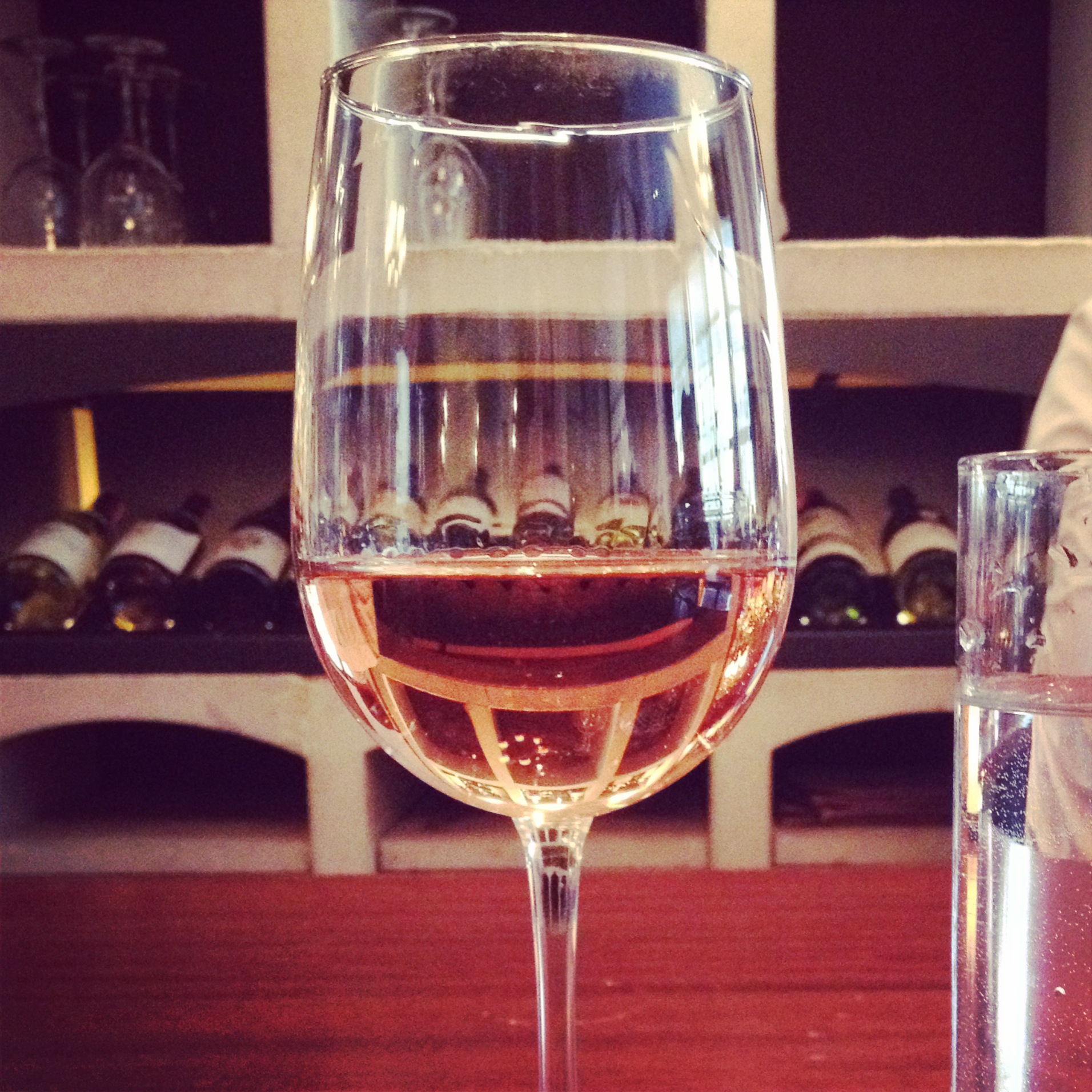
How Alcohol Really Impacts Stress and Anxiety
Over the years, many clients have shared that alcohol helps them relax and feel less on edge. This is likely because alcohol has a dulling effect on the brain and nervous system, impacting the ways in which we process our emotions. As this article outlines, alcohol “interferes with the brain’s communication pathways and can affect the way the brain looks and works.” So while it may seem like having a drink can lessen the levels of stress you may be feeling, biochemically speaking, alcohol does not actually improve or lessen the stress we experience. It just helps you sort of forget about it a little while.
In fact, as discussed in this Cleveland Clinic article, alcohol can oftentimes exacerbate stress, making you feel anxious or jittery. In short, feelings of uneasiness brought on by alcohol consumption are due to a number of factors including the detoxification process the nervous system undergoes (even after consuming 12-ounces beer or 5-ounces of wine), the depletion of minerals such as folic acid, and dehydration. While alcohol can help you initially feel relaxed and less inhibited, as this Mayo Clinic article shares, alcohol is actually a depressant and can increase risk for depression, anxiety, irritability and rapid mood changes when consumed on a regular basis, especially if in large quantities.
Also good to know, as the body metabolizes alcohol, there is a rebound effect as Gamma-Aminobutyric Acid (GABA) — the main inhibitory neurotransmitter in the brain – levels drop, causing you to feel anxious and like you need a drink. Some of the other negative effects of regular alcohol consumption include sleep disturbances, weight gain, poor skin quality, mental health issues, social interaction problems, and increased risk of certain cancers such as breast, mouth, throat, esophagus, voice box, liver, colon, and rectum cancer. It’s also important to keep in mind that alcohol consumption may be contraindicated when taking certain medications.
Developing Healthier Rituals
When speaking with clients, we often talk about the rituals they have in place that involve alcohol. For example, many turn to alcohol to mark the end of a stressful and long day or make alcohol a central part of their connection with a loved one or friend. While these moments can make alcohol appear to have a relaxing effect, the reality is that the feelings of calm are not due to the alcohol, but rather the familiarity of the rituals themselves.
If you’re looking for stress reduction habits that don’t involve alcohol, I encourage you to turn to things like exercise and stretching, meditation and breathwork, taking up a hobby, and journaling or reading. And while I’m not suggesting renouncing alcohol altogether, in this post, I encourage fostering a healthy relationship with alcohol so that you can practice meaningful consumption.
If you feel like you could benefit from resources to help get a handle on alcohol intake, please check out the following:
- SAMHSA’s National Helpline
- Rethinking Drinking
- National Institute on Alcohol Abuse and Alcoholism
- Alcohol Rehab Guide