
This post originally appeared in my WTF To Eat Newsletter. Become a subscriber here. It’s free!
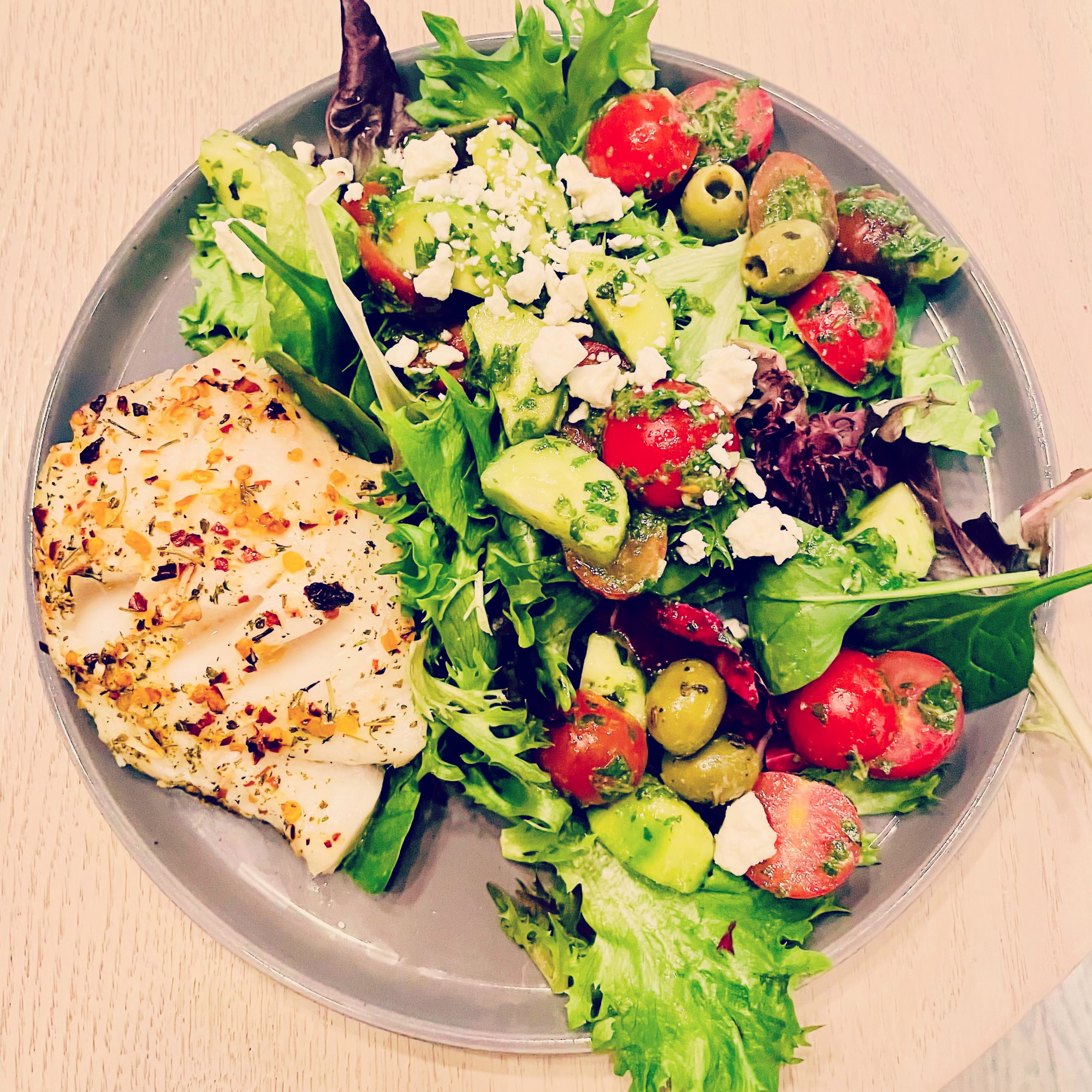
Summer celebrations and travel are fun and it’s a great time of year for marking milestones and making memories, but it’s very human if you have food anxiety creep up on you. If you’re working on a goal related to weight loss, blood sugar balance, heart health, anxiety management or anything else impacted by what you eat, you may wonder if an indulgent weekend could throw all your progress in the toilet.
First off, no. Two or three days where you indulge more than usual in foods that may not directly support your goal is not going to derail you.
What WILL derail you (and pardon the tough love here) is getting into an “all or nothing” mindset around food, where after a few days out of your routine, you say, “Well, screw it” and go balls to the wall with whatever’s on your “bad foods” list, preventing you from getting back into that good routine. Often, that’s a sign that maybe that routine wasn’t sustainable enough in the first place, or maybe your relationship with food needs some attention and space to heal—a sign that working with a therapist and/or a registered dietitian with experience in this realm (it’s me, hi!) could be helpful.
If you’ve known me for even a few minutes, you’ll know that I’m not into the “good” and “bad” food labels, but I do understand that when it comes to healthy eating, structure and realistic boundaries can be useful. I generally recommend taking an 85/15 approach to healthy eating, where the majority of what you eat is nutrient-dense foods that support your health goals, but then there is a little room for pleasure and flexibility to make things sustainable.
That said, if your weekend consisted of way more than 15% ultra-processed and sugary foods like candy and pastries or super-sweetened beverages, and you’re feeling mentally and physically crummy, here are some suggestions on what to prioritize to help your system recover by stabilizing blood sugar, supporting healthy digestion, rehydrating, and promoting a healthy stress response.
- Eat a balance of protein, fat, and carbs to stabilize blood sugar. Some of my favorite go-to snacks include kefir, yogurt and berries, or Greek yogurt topped with a handful of nuts and honey; whole grain toast with nut or seed butter or ½ an avocado with a hard-boiled egg on top; and hummus and sliced vegetables or whole grain crackers. As for meals, I enjoy baked chicken or turkey with roasted veggies and whole grain rice or grilled salmon with roasted potatoes and broccoli.
- Integrate high-fiber foods and drink plenty of water to support digestion. I’m a fan of fruits like raspberries, blueberries, and other berries, pears, oranges, and apples, and veggies like broccoli, brussel sprouts, leafy greens, and cauliflower. YOu can also reach for whole grains like oatmeal, and brown rice, and legumes such as beans and lentils. Nuts and seeds are also wonderful sources of fiber. Try almonds, pistachios, chia seeds, and ground flax.
- Enjoy some brain-soothing foods. Blueberries, eggs, oily fish, nuts, olive oil, avocado, cruciferous veggies, and turmeric are especially helpful if you’re feeling anxious or foggy (a surprising but common response to blood sugar swings and high intake of ultra-processed foods—and alcohol, if that’s something you may have felt you overdid it in). If you enjoy smoothies, this is a convenient way to blend up a bunch of your favorites from this list, or you can make a big colorful salad.
- Take a little break from alcohol, ultra-processed foods, and foods high in added sugar. I don’t mean a strict detox diet—just take a few days off drinking, use a lighter touch with sweet stuff, and / or focus on more nutrient-dense snacks as opposed to packaged foods to help you feel like yourself again. You wouldn’t go for a long, hard run the day after you run a marathon, and a similar concept applies here.
- Speak kindly to yourself. Our words are so powerful, and from working with clients for over a decade, I have found it’s much more effective to tell yourself things like, “Okay, maybe this weekend got away from me, but here are a few things that will help me feel better” instead of something like, “OMG I can’t believe I ate all that. I’m so mad at myself. I have no willpower.”